Kimchi
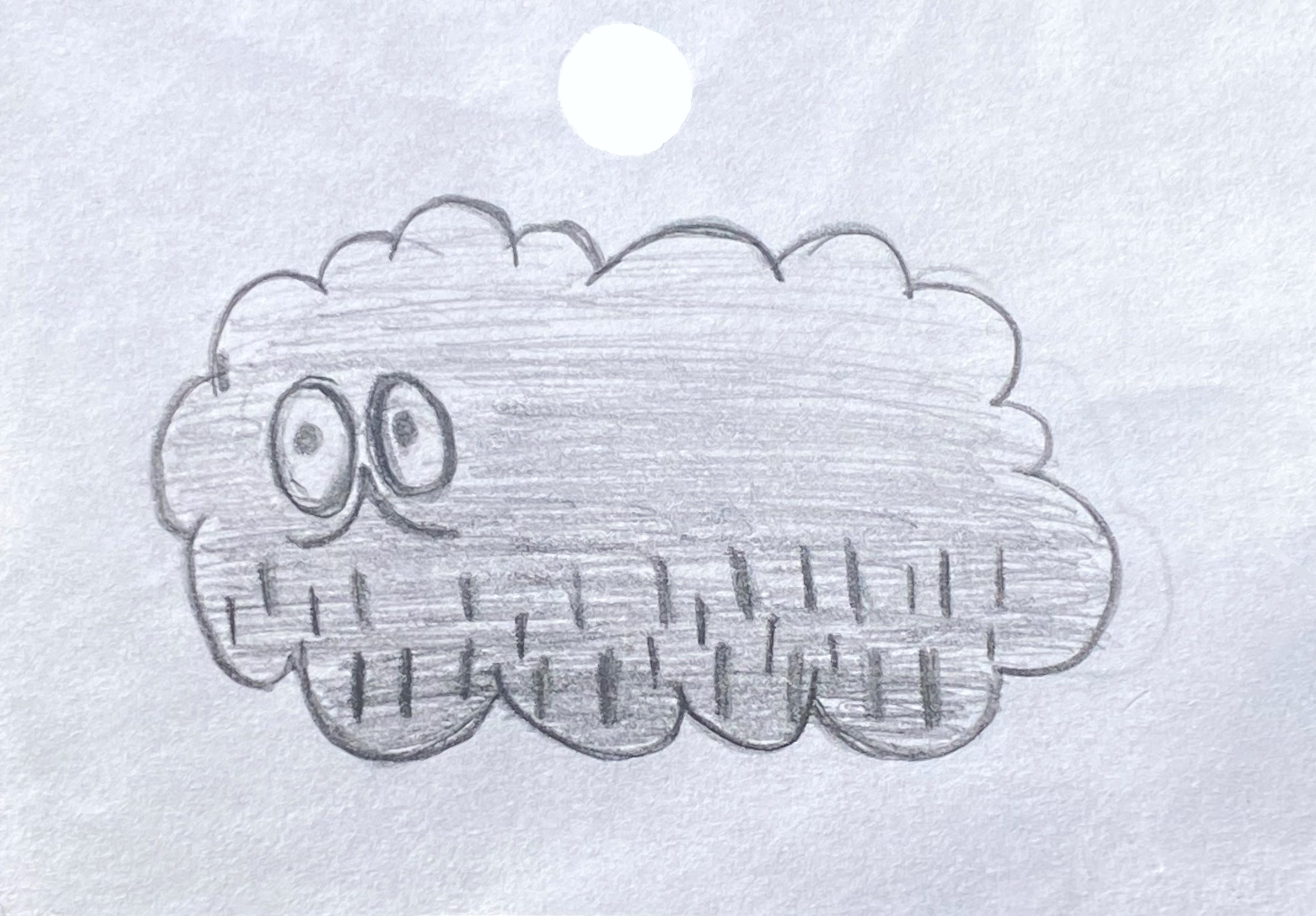
The great stink cloud of Marzipan
Behold the dreaded fart cloud of Marzipan; this disgusting air monster will make you wish you didn’t have a nose (or any sense of smell/taste at all) after it passes in front of your face. You will be gagging for the rest of the day nonstop. And as it makes a ‘toot’ sound just to announce its nasty cursed presence as it floats along; One thing will be for sure: your nose will never forget the encounter.
Meet Kimchi: the Silent Essence of Marzipan City
If you don’t know (and aren’t old like me) this stink cloud is
Kimchi from the crazy world of
Chowder. In the enchanted world of late-2000s animation, few shows were such a psychedelic surreal food trip as Chowder. Set in the bizarre and colorful Marzipan City, the show became known for its crazy yet experimental visual style and unusual character designs.
Kimchi its most unusual of all, because he is a literal sentient floating stink cloud (LOL XD) who's Chowder's best friend/pet companion. Best known for communicating through simple *phhhttt!* sounds rather than words.
Despite this oddness, kimchi actually carries a surprising amount of personality and emotional expression for just speaking only in fart noises.
The “Smelly” Aesthetic: Drawing a cloud
This drawing, created sometime between 2008 and 2012, was my effort to try to capture Kimchi’s form and presence. I was interested in how a character with no solid body could be soo expressive and recognizable.
One of the most interesting challenges in drawing Kimchi is trying to draw something that representing something invisible: After all How do you draw a smell? However, in the show, his odor is implied through the nasty off brown-green color, others’ reactions, and exaggerations.
In a pencil-only drawing, that idea has to be portrayed purely through shading and silhouette. The goal was to make him instantly recognizable even without color or animation.
By the time this piece was created, my focus had shifted toward more detailed studies of character design and form. This drawing reflects that transition.
1. Defining the Indefinite: Kimchi has no fixed shape, so the challenge was building a readable “cloud form” through soft edges and movement.
This drawing was an exercise in simplicity yet expression. Even with minimal details, a character can still feel alive if the core shape and personality are understood.(Just be glad you can only see him and not smell him!).
Date: 2008–2012
Medium: White printing paper / HB pencil
Reflecting on the Chowder Era
2. Line Weight Control: He required a lighter, more fluid pencil technique compared to more structured characters, using variation in pressure to suggest depth and volume.
3. Minimalism: With only a few facial features, placement and spacing became essential in capturing personality.
Final Thoughts: finishing a cloud character
Details